Most pre-1960 Bay Area homes hide the same handful of structural issues. They're not surprises if you know to expect them — but they catch most homeowners off guard during a remodel and turn into change orders.
1. Cripple wall and foundation bolting
Pre-1980 Bay Area homes are often not bolted to their foundations, or have unbraced cripple walls (the short walls between foundation and first floor). In a major earthquake, this is the failure mode that drops houses off their foundations.
If you're opening walls anyway, this is the right time to retrofit. Cost: typically $5,000–$15,000 added to a remodel.
2. Knob-and-tube and aluminum wiring
Knob-and-tube wiring is common in pre-1950s SF, Peninsula, and some Silicon Valley homes. Aluminum wiring shows up in some 1960s–70s builds. Both are insurable concerns and most remodels trigger requirements to replace within the work area — sometimes throughout the home.
3. Galvanized water supply and cast iron drains
Galvanized supply pipes corrode internally and reduce flow over decades. Cast iron drain stacks crack and develop pinhole leaks. If you're opening walls in a remodel and these are present, replacing them is the right call — they will fail eventually.
4. Undersized electrical service
60-amp and 100-amp services are still common in older Bay Area homes. Modern kitchens, EV chargers, heat pumps, and solar all draw heavy loads. A 200A service upgrade is often a precondition for the remodel scope you actually want.
5. No insulation
Pre-WWII Bay Area construction often has no wall insulation at all. Once walls are open, this is the cheapest possible time to insulate.
6. Termite and dry rot
Bay Area homes — especially closer to the coast — almost universally have at least localized termite or dry rot. A pre-construction inspection identifies the obvious; opening walls reveals the rest.
7. Single-pane windows
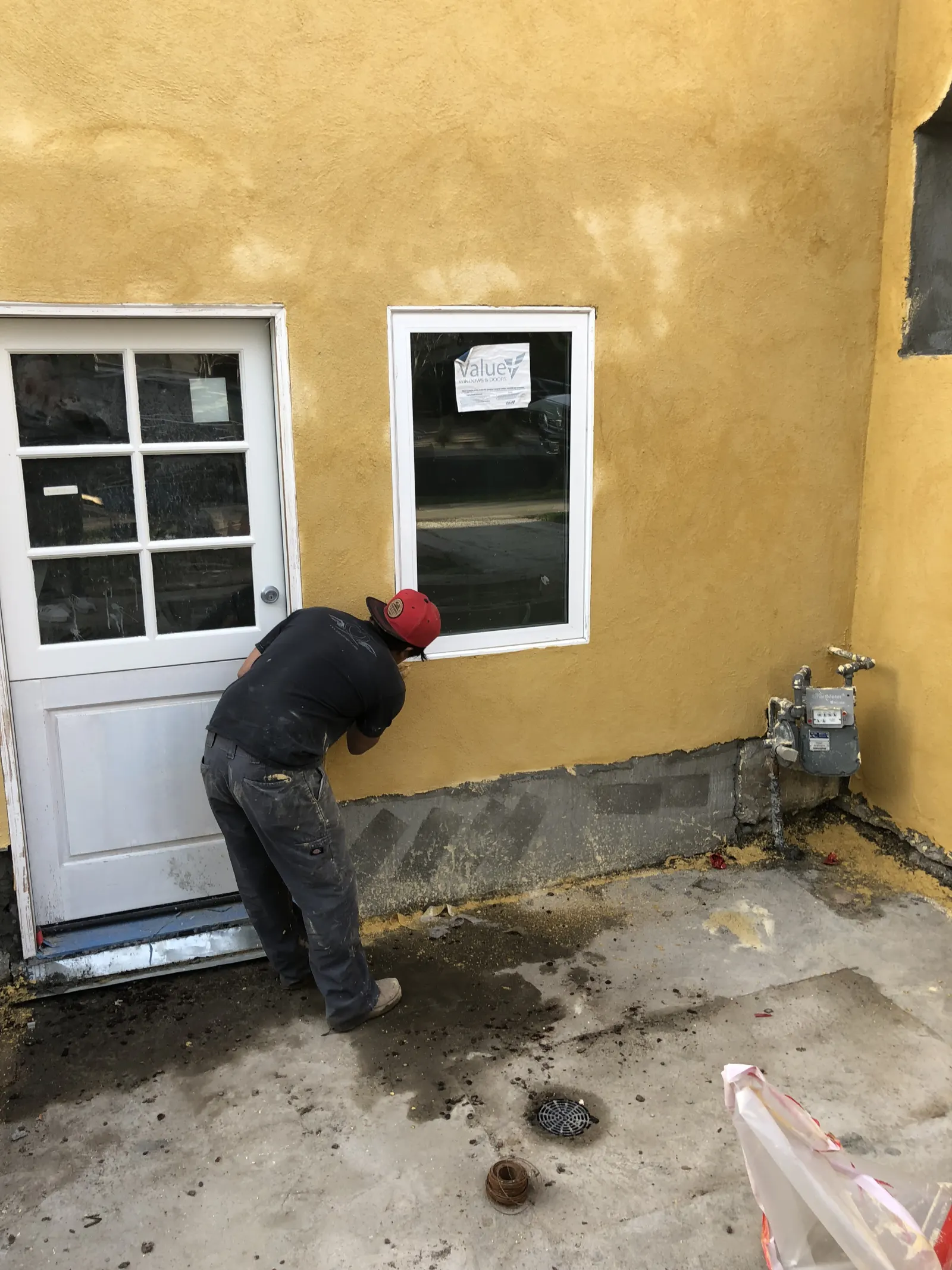
Single-pane windows are still common in pre-1990 builds. Replacing during a remodel costs less than as a standalone project because flashing, trim, and finish work overlap with other scope.
8. Soft-story conditions (multi-unit and over-garage)
Tuck-under garages create soft-story conditions. SF has mandatory retrofit programs for many of these; other Peninsula and Silicon Valley cities have voluntary programs with permitting incentives.
How to budget honestly
For a whole-home remodel of a pre-1960 Bay Area house, we typically budget 15–25% of the construction budget for structural and systems work that the homeowner didn't initially plan for. That isn't padding — it's realistic.
The right contractor identifies these conditions during the consultation, gets them on the proposal, and avoids the "we found something in the wall" change order. See our whole-home service or request a free consultation.
Planning a Bay Area remodel?
High Touch Consulting & Development is a licensed general contractor serving the San Francisco Peninsula and Silicon Valley. We provide free on-site consultations and fixed-scope written proposals.