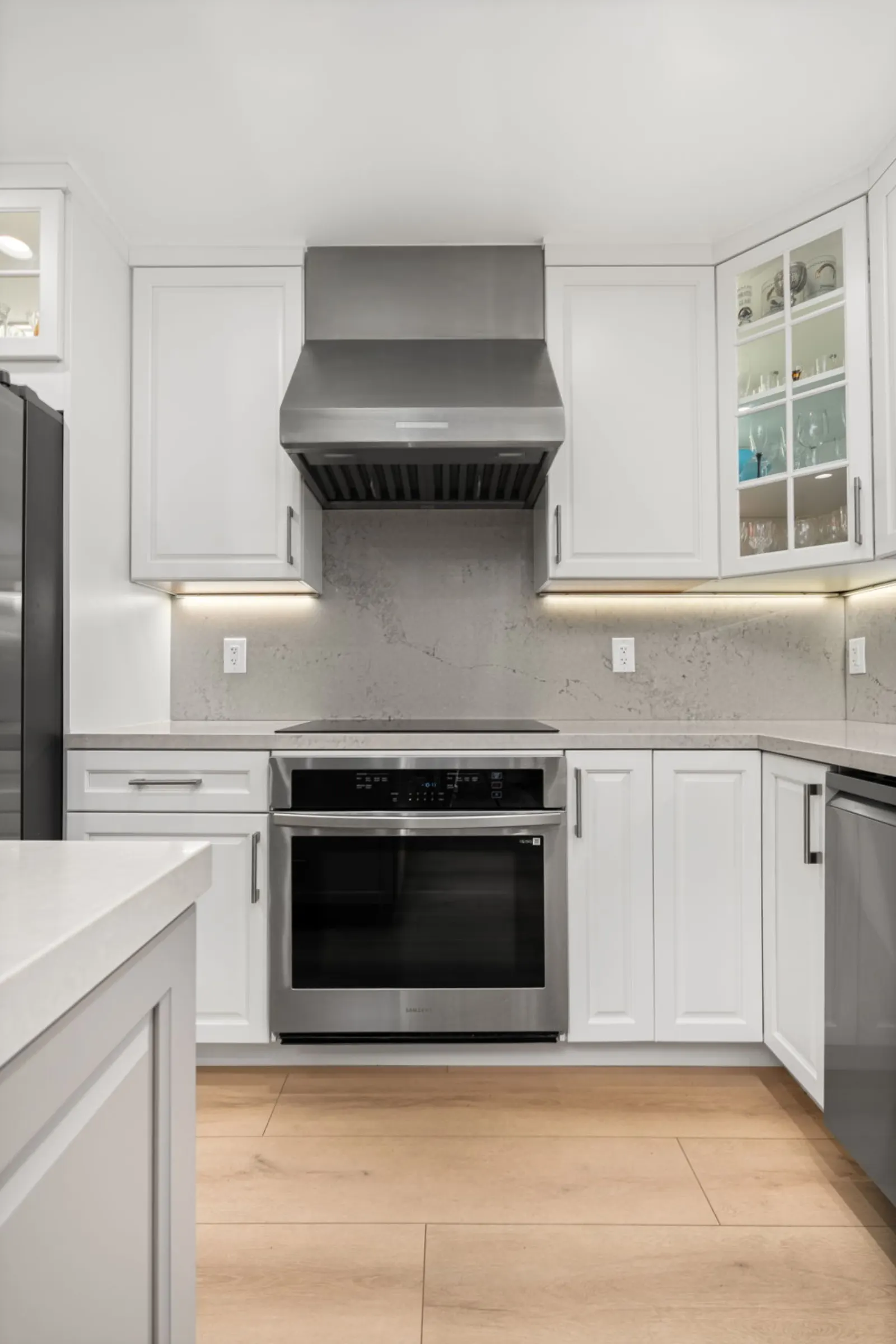
Five years ago, pulling gas out of a Bay Area kitchen was a hard sell. In 2026 it's the default. Between new-construction gas bans across several Peninsula and South Bay cities, utility rebates, and a generation of genuinely excellent induction cooktops, more than half of the kitchens we remodel now go all-electric.
If you're weighing the switch, here's what it actually involves — beyond the marketing.
The electrical reality
Induction is the single biggest electrical load most kitchens add. A full-size induction cooktop typically needs a dedicated 40–50 amp, 240-volt circuit. In older Peninsula homes still running a 100A main panel, that's often the item that tips you into a panel upgrade.
- Dedicated 240V circuit to the cooktop: plan for it early
- Panel capacity check — a 200A upgrade runs $6,000–$12,000 if needed
- If you're also going heat pump and EV charging, size the panel for all of it at once
What actually changes when you cook
Induction boils water faster than gas, holds a low simmer more precisely, and leaves the surrounding surface cool. The trade-offs homeowners notice: your cookware has to be magnetic (most stainless and cast iron works; some aluminum and copper doesn't), and there's a short learning curve on the responsiveness.
Is it worth it?
For most homeowners doing a gut remodel anyway, yes — the incremental cost is mostly the electrical, and you gain indoor air quality, easier cleaning, and a kitchen that's future-proofed against tightening gas codes. If you're keeping the existing layout and panel has no room, run the numbers on the panel upgrade before committing.
If you're planning a Bay Area kitchen remodel and want an honest read on going all-electric, request a free estimate or call us at (844) 403-2911.
Planning a Bay Area remodel?
High Touch Consulting & Development is a licensed general contractor serving the San Francisco Peninsula and Silicon Valley. We provide free on-site consultations and fixed-scope written proposals.